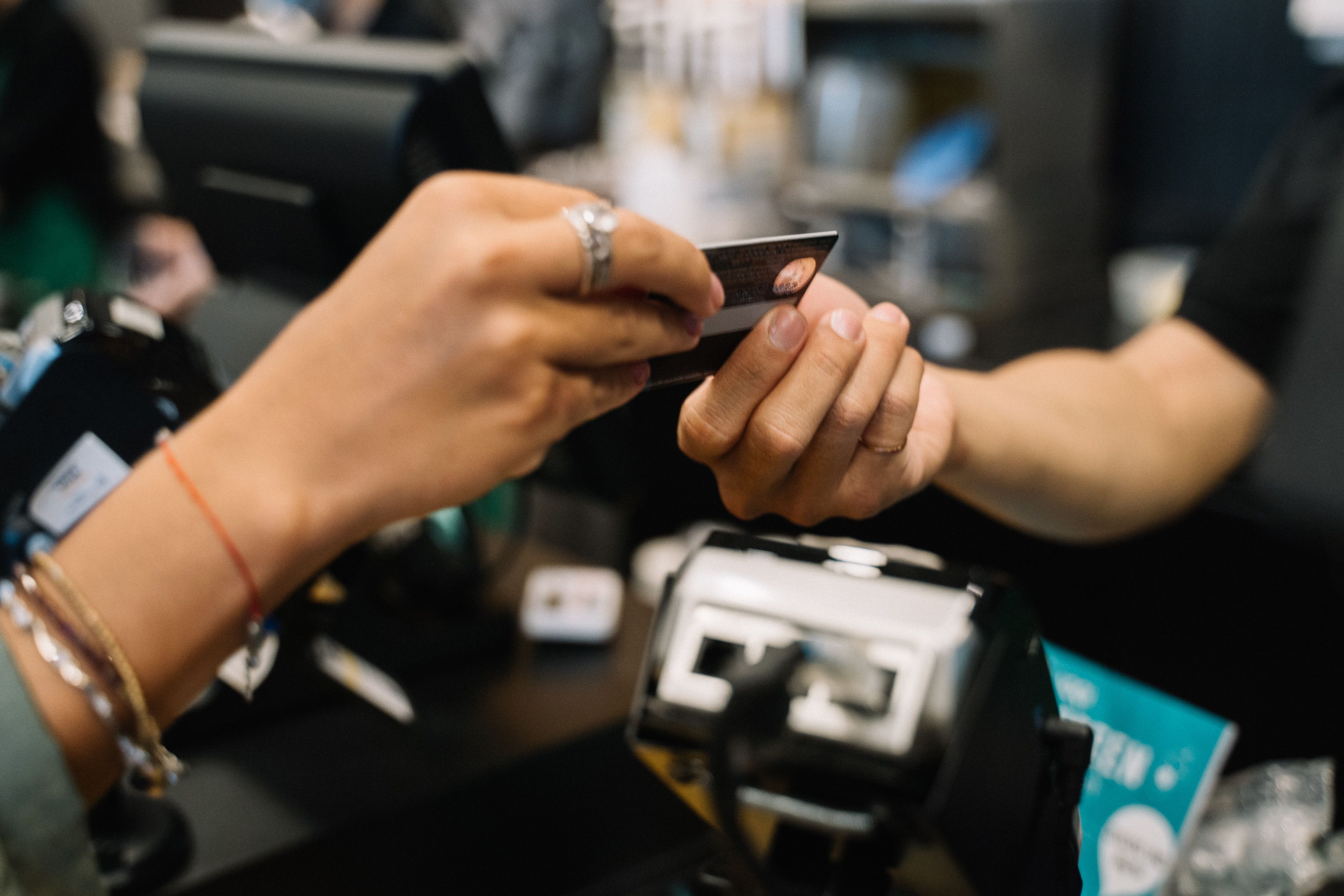
How credit cards work is simple once the basic idea is clear.
A credit card lets spending money now and paying it later.
Instead of using bank balance, the bank pays first.
Then the amount is repaid within a certain time.
Let’s understand it step by step.
What Is a Credit Card
A credit card is a payment card issued by a bank.
It allows purchases using the bank’s money up to a set limit.
Banks like HDFC Bank, ICICI Bank, and State Bank of India issue credit cards in India.
The card has a credit limit, which is the maximum spending allowed.
Example:
- Credit limit: ₹1,00,000
- Total spending allowed: ₹1,00,000
Spending beyond this limit usually gets declined.
Step 1: Making a Purchase
When using a credit card to buy something:
- The card is used at a store or online.
- The bank pays the merchant.
- The amount is added to the credit card balance.
The payment does not come directly from the bank account.
It becomes a short-term loan.
Step 2: Billing Cycle
Every credit card follows a billing cycle.
A billing cycle is usually 30 days.
During this period:
- Purchases are recorded
- Total spending is calculated
- A credit card statement is generated
The statement shows:
- Total amount spent
- Minimum amount due
- Payment due date
Step 3: Grace Period
After the billing cycle ends, a grace period is given.
This period is usually 15 to 20 days.
If the full bill is paid during this period:
- No interest is charged.
That means the bank gave a short interest-free loan.
Step 4: Repayment Options
Credit card bills can be paid in two main ways.
Full Payment
Pay the entire outstanding amount.
Benefits:
- No interest charged
- Credit score stays healthy
- No debt accumulation
This is the safest option.
Minimum Payment
Only the minimum due amount is paid.
Consequences:
- Interest starts on the remaining balance
- Debt can grow quickly
Minimum payment avoids late fees but not interest.
What Is Credit Limit
Credit limit is the maximum spending allowed on the card.
Example:
- Credit limit: ₹50,000
- Spending allowed: up to ₹50,000
If spending reaches the limit, further transactions may fail.
Banks may increase limits later based on usage and payment history.
What Is Credit Utilisation
Credit utilisation means how much of the limit is used.
Example:
- Limit: ₹1,00,000
- Spending: ₹30,000
- Utilisation: 30%
Lower utilisation improves credit score.
Financial experts often recommend keeping utilisation below 30%.
How Credit Cards Make Money for Banks
Banks earn through several sources:
- Interest on unpaid balances
- Annual fees
- Late payment charges
- Merchant transaction fees
If the full bill is paid every month, interest charges are avoided.
Benefits of Credit Cards
Credit cards offer several advantages.
Common benefits include:
- Reward points and cashback
- Easy online payments
- Travel benefits and lounge access
- Fraud protection
Used correctly, credit cards can be very convenient.
Risks of Credit Cards
Credit cards can also create problems if used carelessly.
Common risks include:
- Overspending
- High interest charges
- Debt accumulation
- Credit score damage
Discipline is important.
How Credit Cards Affect Credit Score
Credit card usage directly impacts credit score.
Important factors include:
- Timely bill payments
- Credit utilisation ratio
- Length of credit history
- Number of credit inquiries
Paying bills on time improves credit profile.
Missed payments reduce the score.
FAQ
Do credit cards charge interest immediately?
No. Interest is charged only if the full bill is not paid by the due date.
Can credit cards be used without a bank balance?
Yes. The bank pays first and the amount is repaid later.
Is using a credit card good for credit score?
Yes, if payments are made on time.