How Do Credit Cards Work – Simple Guide

Sohil Karia
?
min read

Table of contents

Heading 1

Heading 2

Heading 3

Heading 4

Heading 5
Heading 6

Lorem ipsum dolor sit amet, consectetur adipiscing elit, sed do eiusmod tempor incididunt ut labore et dolore magna aliqua. Ut enim ad minim veniam, quis nostrud exercitation ullamco laboris nisi ut aliquip ex ea commodo consequat. Duis aute irure dolor in reprehenderit in voluptate velit esse cillum dolore eu fugiat nulla pariatur.

Block quote

Ordered list

  1. Item 1
  2. Item 2
  3. Item 3

Unordered list

  • Item A
  • Item B
  • Item C

Text link

Bold text

Emphasis

Superscript

Subscript

How do credit cards work?

They allow spending now and paying later.

Instead of using bank balance directly, the bank pays the merchant first.

The cardholder repays the bank later within a specific time.

That’s the basic idea.

Let’s understand the process clearly.

What Is a Credit Card

A credit card is a payment card issued by a bank that allows borrowing money for purchases.

Banks such as HDFC Bank, ICICI Bank, and State Bank of India provide credit cards to eligible customers.

Each card comes with a credit limit, which is the maximum amount that can be spent.

Example:

  • Credit limit: ₹1,00,000
  • Maximum spending allowed: ₹1,00,000

Spending beyond the limit usually gets declined.

Step 1: Making a Purchase

When a credit card is used at a store or online:

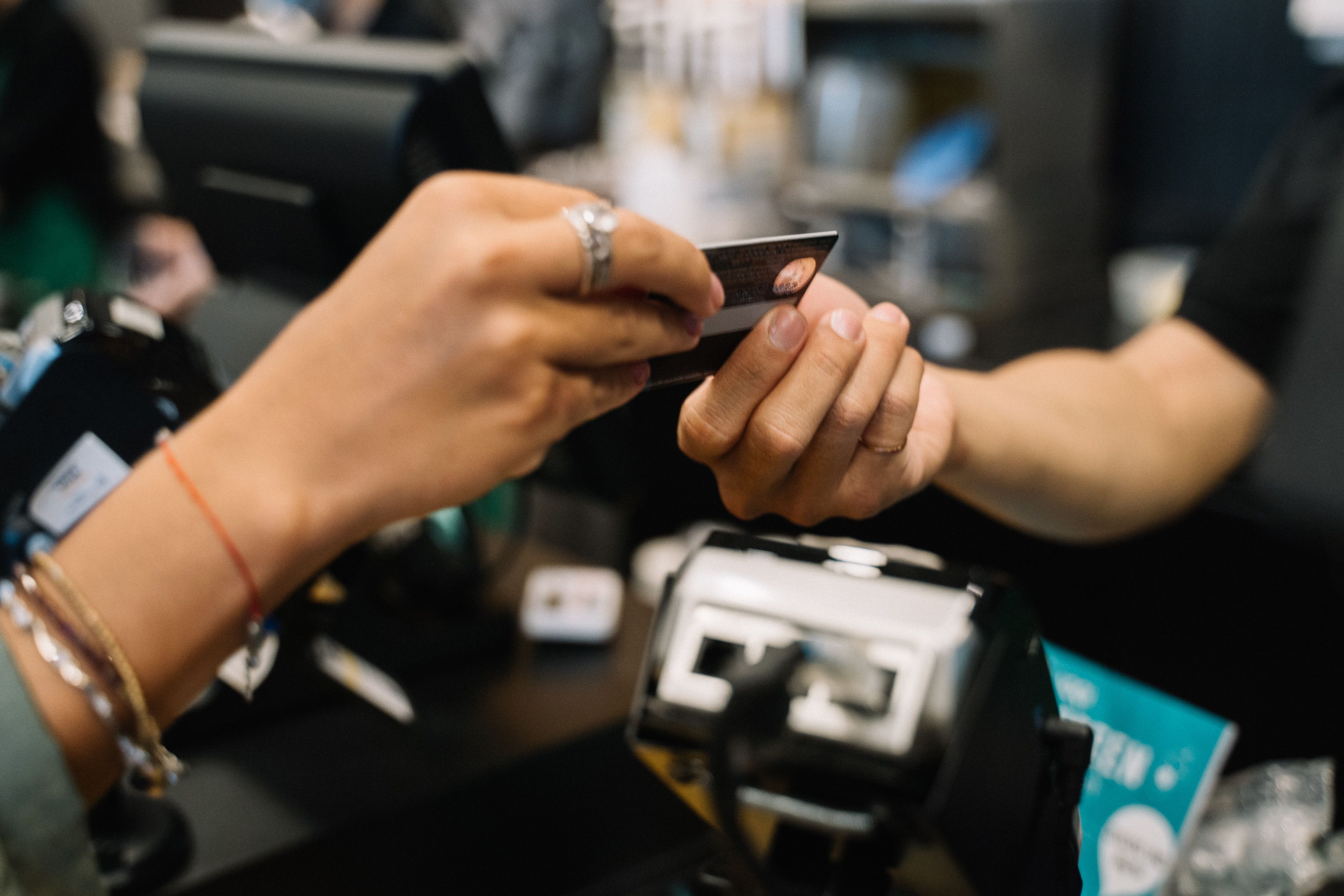
  1. The card is swiped or entered for payment.
  2. The bank approves the transaction.
  3. The bank pays the merchant.

The amount is added to the credit card balance.

This is similar to taking a short-term loan from the bank.

Step 2: Billing Cycle

Credit cards follow a billing cycle, usually around 30 days.

During this time:

  • Purchases are recorded
  • Total spending is calculated
  • A statement is generated

The credit card statement shows:

  • Total amount spent
  • Minimum payment due
  • Payment due date

Step 3: Grace Period

After the billing cycle ends, a grace period is given.

This period usually lasts 15–20 days.

If the full bill is paid during this time:

  • No interest is charged.

This means the bank provides a short interest-free loan.

Step 4: Repayment Options

Credit card bills can be paid in two ways.

Full Payment

Pay the entire outstanding amount.

Benefits include:

  • No interest charges
  • Better credit score
  • No growing debt

This is the safest option.

Minimum Payment

Pay only the minimum amount due.

This avoids late fees but interest is charged on the remaining balance.

Interest rates on credit cards are usually high.

What Is Credit Limit

Credit limit is the maximum amount that can be spent on the card.

Example:

  • Limit: ₹50,000
  • Spending allowed: up to ₹50,000

If the limit is reached, further transactions may fail until the bill is paid.

Banks may increase the limit later based on usage.

What Is Credit Utilisation

Credit utilisation refers to how much of the credit limit is used.

Example:

  • Limit: ₹1,00,000
  • Spending: ₹25,000
  • Utilisation: 25%

Lower utilisation helps maintain a healthy credit score.

Many financial experts recommend keeping utilisation below 30%.

How Credit Cards Help Build Credit Score

Using credit cards responsibly helps build credit history.

Important factors include:

  • Paying bills on time
  • Keeping utilisation low
  • Maintaining long credit history

Missed payments can reduce credit score quickly.

Benefits of Credit Cards

Credit cards offer several advantages.

Common benefits include:

  • Reward points and cashback
  • Travel benefits and lounge access
  • Fraud protection
  • Easy online payments

They are convenient when used responsibly.

Risks of Credit Cards

Credit cards can also create problems if used carelessly.

Common risks include:

  • Overspending
  • High interest charges
  • Debt accumulation
  • Credit score damage

Responsible spending is essential.

FAQ

Do credit cards charge interest on every purchase?

No. Interest is charged only if the full bill is not paid by the due date.

Can credit cards be used without bank balance?

Yes. The bank pays first and the amount is repaid later.

Is using a credit card good for credit score?

Yes, if payments are made on time.