Table of contents
.svg)
How to track credit card spending?
Credit card spending can be tracked using mobile banking apps, credit card statements, and expense tracking tools.
Tracking spending helps understand where money is going and prevents overspending.
Most banks provide tools to monitor transactions in real time.
Let’s understand how it works.
Why Tracking Credit Card Spending Is Important
Credit cards make spending easy. Sometimes too easy.
Small transactions such as food orders, subscriptions, or online shopping can quickly add up.
Tracking spending helps maintain control over finances.
It helps with:
- Monitoring daily expenses
- Avoiding unexpected credit card bills
- Staying within the credit limit
- Managing monthly budgets
Understanding spending patterns makes financial planning easier.
Method 1: Check Transactions in Mobile Banking App
Most banks provide real-time transaction tracking through mobile apps.
Banks such as HDFC Bank, ICICI Bank and State Bank of India allow users to view credit card transactions instantly.
Steps usually include:
- Open the bank’s mobile banking app
- Log in to the account
- Go to Credit Cards section
- View recent transactions and spending summary
Transactions appear almost immediately after a purchase.
Method 2: Review Monthly Credit Card Statements
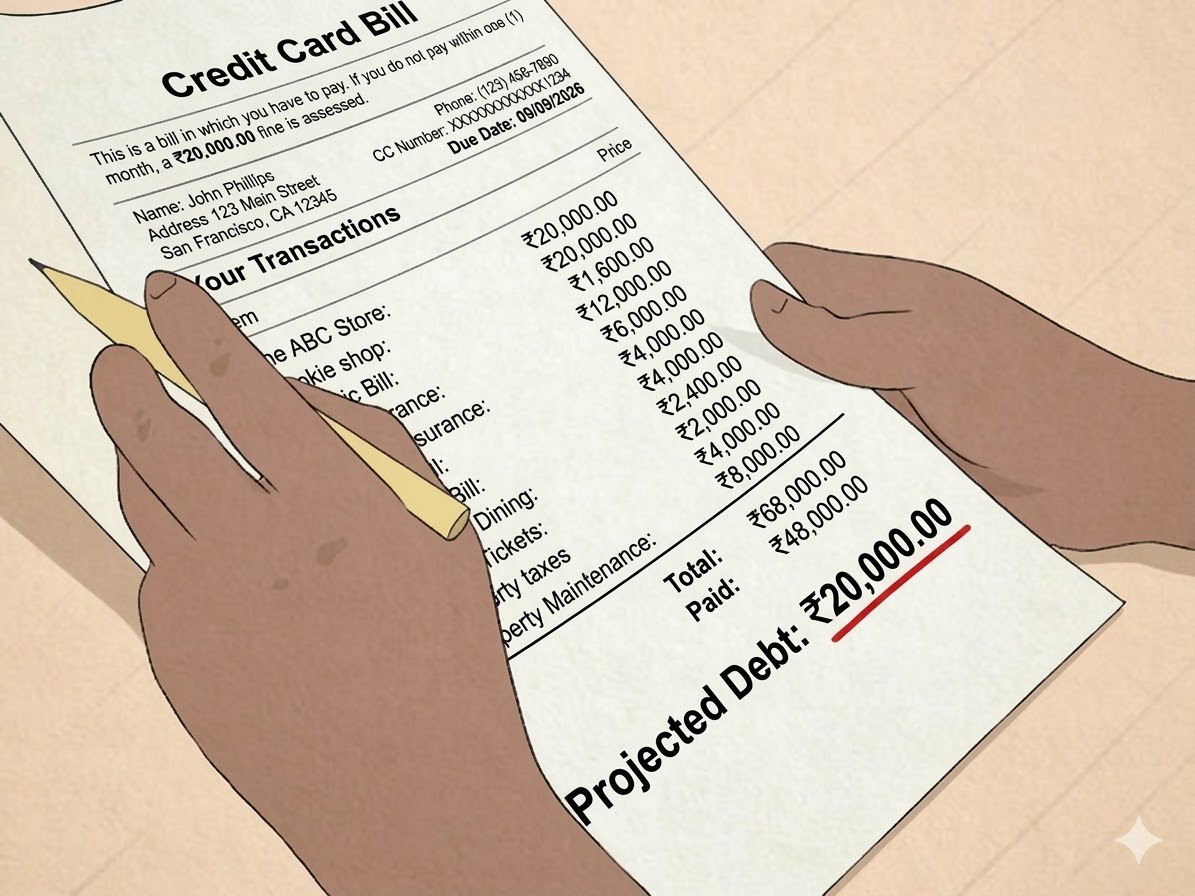
Another way to track spending is through monthly credit card statements.
Statements show:
- Total spending for the billing cycle
- Individual transactions
- Minimum amount due
- Payment due date
Reviewing statements regularly helps identify spending habits.
Method 3: Enable Transaction Alerts
Banks usually send instant alerts for credit card transactions.
These alerts may arrive through:
- SMS notifications
- Mobile app notifications
- Email alerts
Each notification shows the transaction amount and merchant name.
This allows quick monitoring of spending activity.
Method 4: Use Expense Tracking Apps
Expense tracking apps can help organize credit card spending.
These tools automatically categorize expenses such as:
- Food and dining
- Travel
- Shopping
- Subscriptions
Seeing categories makes it easier to understand spending patterns.
Tips for Better Credit Card Spending Control
Simple habits can make tracking easier.
Helpful practices include:
- Check credit card transactions regularly
- Enable instant transaction alerts
- Review statements every month
- Set spending limits for different categories
These habits help maintain financial discipline.
Benefits of Tracking Credit Card Spending
Monitoring credit card usage offers several advantages.
Key benefits include:
- Better financial awareness
- Reduced risk of overspending
- Early detection of suspicious transactions
- Improved budgeting
Regular tracking creates healthier financial habits.
FAQ
How often should credit card spending be checked?
Checking transactions weekly or after major purchases is helpful.
Can credit card spending be tracked in real time?
Yes, most banking apps show transactions almost instantly.
Do transaction alerts help track spending?
Yes, alerts provide immediate updates after each transaction.